Sounding line

Definition and stakes

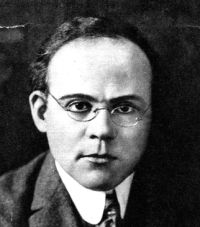
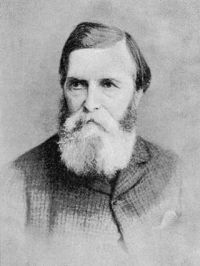
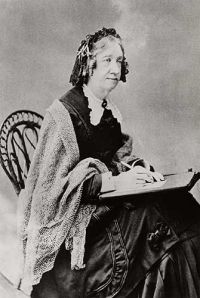
Portrait of Catharine Esther Beecher Catharine Esther Beecher,  Common Sense Applied to Religion…

“ The operation of mere sound, disconnected with the ideas which are often conveyed by it, is a subject of curious speculation. Sounds differ from each other in quality, pitch, force, and in length. The difference in tone may be illustrated by the sounds of a clarionet compared with the sound of a bell or of the human voice. Every instrument and every human voice has each a peculiar tone by which it is distinguished from all others. The difference in pitch is shown by sounding a low and a high note in succession on an instrument. ”
Source: Gutenberg

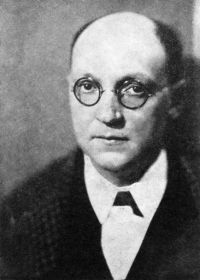
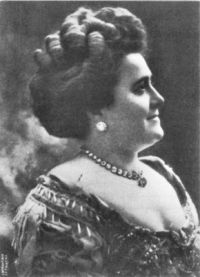
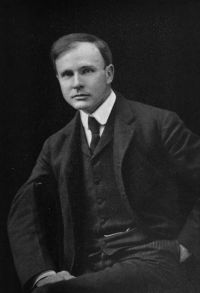
Portrait of Bliss Perry Bliss Perry,  A Study of Poetry

“ Two streams of sound pass constantly through the inner ear of one who understands or appreciates the rhythm of our verse: one, never actually found in the real sounds which are uttered, is the absolute rhythm, its equal time-intervals moving on in infinitely perfect progression; the other, represented by the actual movement of the verse, is constantly shifting by quickening, retarding, strengthening or weakening its sounds, yet always hovers along the line of the perfect rhythm, and bids the ear refer to that perfect rhythm the succession of its pulsations. ”
Source: Gutenberg

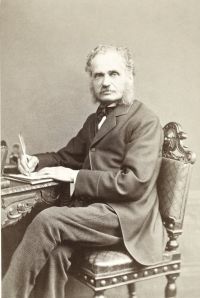
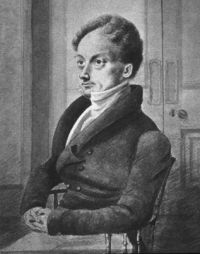
Joseph Haven,  Mental Philosophy: Including the Intellect…

“ Power of Sound over the Mind.—The power of sound to affect the mind, and especially the feelings, is too well known to require specific statement. The note of an instrument, the tone of a human voice, the wild warbling of a bird, the tinkling of a bell, the variations of speech and of song, from the high and shrill to the low and heavy intonation, from the quick and impetuous to the slow and plaintive movement, these simple varieties of tone affect powerfully the heart, and find their way at once and irresistibly to the feelings. ”
Source: Gutenberg

Get perspective with Kwize: daily news enlightened by great literature