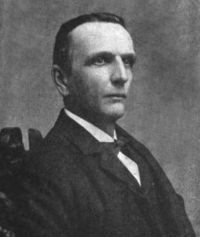
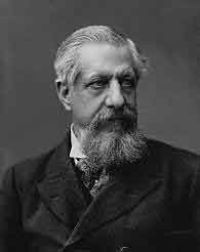
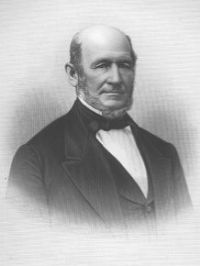
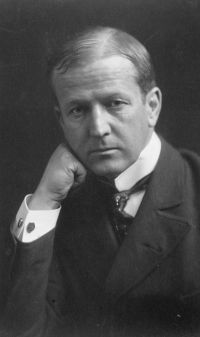
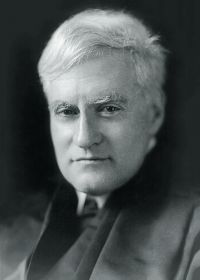
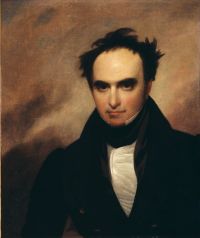
Trust, in legal terms, refers to the transfer of property or assets along with specific responsibilities placed on the holder to act in the interest of another party. This concept has been examined by numerous legal scholars and jurists, each highlighting its subtleties. Johann Gottlieb Fichte emphasized the government's restriction in preventing the establishment of trust, while Samuel Freeman Miller stressed the legal safeguards necessary to ensure trust responsibilities are met.
Jeremy Bentham viewed trust as either a benefit or a burden, and Frederic Jesup Stimson connected trusts to historical issues such as monopolies. The 1911 Encyclopædia Britannica outlined the statutory conditions for creating a trust, and the Supreme Court recognized the increasing complexity of fiduciary responsibilities. These viewpoints together illustrate trust as a flexible framework that balances legal responsibility with societal expectations.
 Johann Gottlieb Fichte,
The Science of Rights — Book Third Concerning Municipal Law
(1889)