Ancient Egyptian language

Definition and stakes

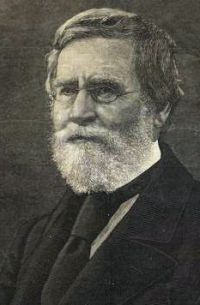
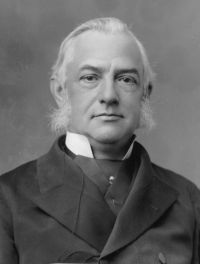
Peter le Page Renouf,  The Religion of Ancient Egypt (1880)

“ There are no paradigms at all in Egyptian; and those who have inserted such things into their Grammars (I say it with the utmost deference to such admirable scholars as E. de Rougé and Brugsch) have been led astray by their efforts to find in Egyptian what exists in other languages. But each kind of language has its own processes. Hebrew and Arabic verbs can as little be thrown into moods and tenses corresponding to the Greek or Latin verbs, as you can find Pual or Hithpahel forms in French or English. Personal endings are indispensable to the Indo-European and to the Semitic verbs. ”
Source: Wikisource

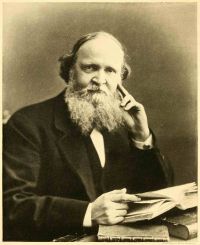
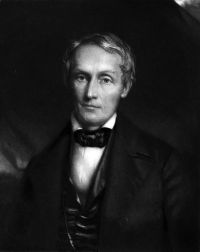
Portrait of Lewis Spence Lewis Spence,  Myths and Legends of Ancient Egypt

“ The Egyptian language naturally divides into its progressive stages. These are Old Egyptian, Middle and Late Egyptian, Demotic and Coptic. Old Egyptian is the language belonging to the Old Kingdom. It supplied the literary model for the later period, as evidenced by the inscriptions, but that it should be affected by the changing forms of contemporary speech was inevitable, though in the main its chief characteristics were preserved. ”
Source: Gutenberg

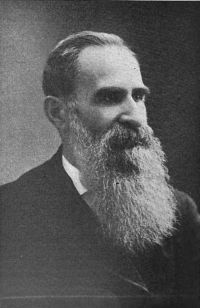
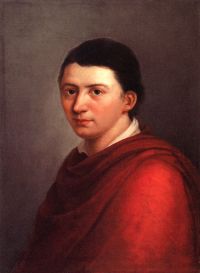
Portrait of Georg Ebers Georg Ebers,  Richard Lepsius, a biography

“ The Béga language of the race of the Bishareen who are widely scattered between the Red Sea and the Nubian Nile. This appears to be a most important branch of the original Asiatic-Caucasian family of languages, and deserves our attention so much the more since it seems that it can be historically proved to be the present form of the ancient Egyptian language of Meroë. I have also found in those countries, and in the pyramids of Meroë, a great number of old Ethiopian inscriptions, which are recorded in an alphabetical writing until now entirely unknown. ”
Source: Gutenberg

Get perspective with Kwize: daily news enlightened by great literature