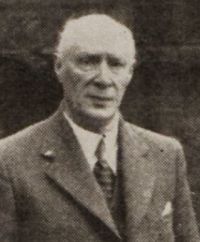
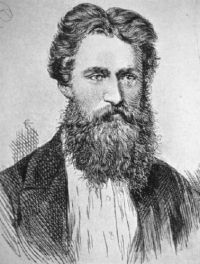
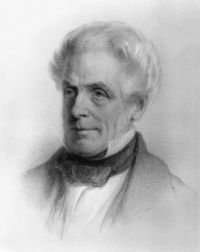
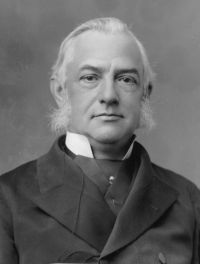
Berossus, a 3rd-century BCE Babylonian scholar, is renowned for his Greek-language chronicle of Babylonian history, mythology, and science, preserving Mesopotamian traditions for classical audiences. His accounts, such as the deluge narrative and descriptions of pre-diluvian kings, bridge Babylonian lore with Hellenistic interpretation, as seen in works by Lewis Spence, who contrasts Berossus’s flood tale with the Epic of Gilgamesh, and L.
W. King, who connects his Antediluvian dynasty to Sumerian figures. Meanwhile, Archibald Sayce emphasizes Berossus’s astronomical treatises, underscoring his role as a mediator between Babylonian knowledge and Greco-Roman scholarship. These varied perspectives collectively reveal Berossus as a pivotal, if enigmatic, conduit of ancient Near Eastern heritage.