Divina Commedia

Definition and stakes

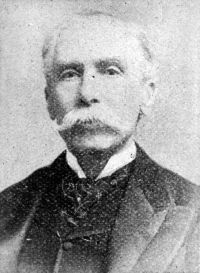
Adolfo Bartoli and Hermann Oelsner,  1911 Encyclopædia Britannica (1911)

“ Thus the Divina Commedia can fairly be called, not only the most life-like drama of the thoughts and feelings that moved men at that time, but also the most clear and spontaneous reflection of the individual feelings of the poet, from the indignation of the citizen and the exile to the faith of the believer and the ardour of the philosopher. The Divina Commedia fixed and clearly defined the destiny of Italian literature, to give artistic lustre, and hence immortality, to all the forms of literature which the middle ages had produced. Dante begins the great era of the Renaissance. ”
Source: Wikisource

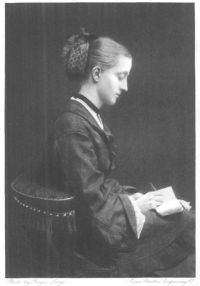
Portrait of Fanny Kemble Fanny Kemble,  Records of a Girlhood

“ I have forgotten my Italian grammar, rules of syntax and rules of prosody alike, but I read and re-read the "Divina Commedia" with ever-increasing amazement and admiration. Setting aside all its weightier claims to the high place it holds among the finest achievements of human genius, I know of no poem in any language in which so many single lines and detached passages can be found of equally descriptive force, picturesque beauty, and delightful melody of sound ”
Source: Gutenberg

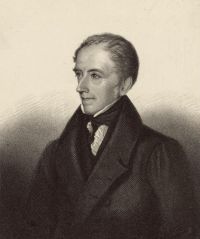
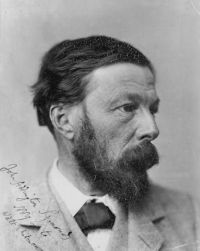
Portrait of George Henry Calvert George Henry Calvert,  Essays Æsthetical

“ We go from person to person, from scene to scene; so that at the end of the journey, although the perception has been richly crowded, one impression has effaced the other. Not carrying the weight, not pulsating in its every limb with the power of a broad, deep, involved story, architecturally reared on one foundation, whose parts are all subordinated to a great unity, the “Divina Commedia,” as an organic, artistic whole, is inferior to the “Iliad” and “Paradise Lost,” and to the Grecian and Shakespearean tragedies. ”
Source: Gutenberg

Get perspective with Kwize: daily news enlightened by great literature