Divine Comedy

Definition and stakes

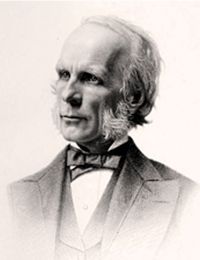
Portrait of Alexander Whyte Alexander Whyte,  Bunyan Characters (3rd Series)

“ The Divine Comedy is beyond dispute the greatest book of personal and experimental religion the world has ever seen. The consuming intensity of its author’s feelings about sin and holiness, the keenness and the bitterness of his remorse, and the rigour and the severity of his revenge, his superb intellect and his universal learning, all set ablaze by his splendid imagination—all that combines to make the Divine Comedy the unapproachable masterpiece it is. ”
Source: Gutenberg

Lawrence Gilman,  Stories of Symphonic Music

“ Now we have reached the point when the poet of the Divine Comedy, at the first song of paradise, stands on the edge of purgatory and catches the glow of the divine light, that his eyes as yet cannot directly bear. Art cannot paint heaven itself, but merely the earthly reflection in the soul that is turned towards the light of divine mercy. ”
Source: Gutenberg

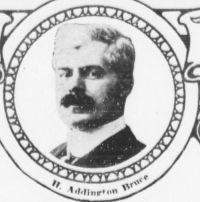
Portrait of H. Addington Bruce H. Addington Bruce,  Psychology and parenthood

“ This knowledge one must gain if he would fully appreciate the true significance of the “Divine Comedy” as the portrayal of man given over to sin and prevented by his lusts from recovering the path to virtue, till the Christian religion teaches him, by the light of understanding, to recognise sin and free himself from it, and then offers to his transported vision the divine revelation of the secret and bliss of Heaven. ”
Source: Gutenberg

Get perspective with Kwize: daily news enlightened by great literature