Italian music

Definition and stakes

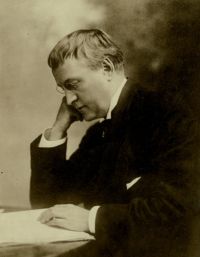
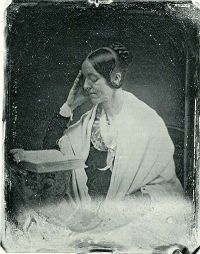
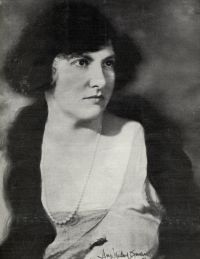
Portrait of Alma Webster Hall Powell Alma Webster Hall Powell,  Music as a human need: A plea for free national instruction in music

“ Music is the chief factor, the rhythm of which is merely accented and accentuated by the movements. These dances may be saving the sanity of countless thousands. Why then the suggested ban on this human need? If these dance forms are not desirable, then sweep away the present musical abominations and bring melody and—above all—marked rhythm within reach of the masses.
We shall now proceed to take up the thread of Italian musical life at 1848 when social pressure was assuming a darker hue, acute even in its short-lived terrors, as befits the Italian temperament.
”
Source: Gutenberg

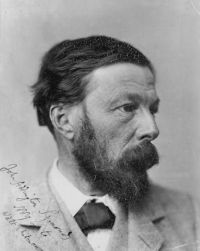
Edward Dickinson,  Music in the History of the Western Church

“ The opera and instrumental music—the two currents into which secular music divided—sprang up, as from hidden fountains, right beside the old forms which were even then just attaining their full glory, as if to show that the Italian musical genius so abounded in energy that it could never undergo decay, but when it had gone to its utmost limits in one direction could instantly strike out in another still more brilliant and productive. ”
Source: Gutenberg

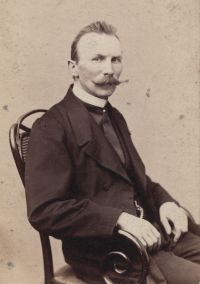
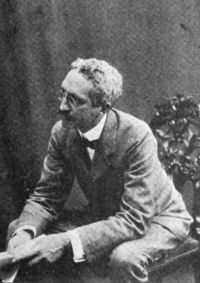
Portrait of Romain Rolland Romain Rolland,  A musical tour through the land of the past…

“ On the other hand, it is a remarkable fact that Italian opera and Italian music were represented in Europe, about the middle of the eighteenth century, not by Italians, but by Germans; by Gluck in Vienna, Johann Christian Bach in London, Graun in Berlin and Hasse in Italy itself. How could it be otherwise than that a new spirit should find its way into this Germanised Italianism? In these German masters, conscious of their superiority, there gradually developed a desire, avowed or unconfessed, to conquer Italy with her own weapons. ”
Source: Wikisource

Get perspective with Kwize: daily news enlightened by great literature