A glossary, derived from the Greek glossa (language), is an alphabetical collection of terms specific to a field, providing explanations to clarify specialized, obscure, or technical vocabulary. Traditionally found in non-fiction works, it serves as a resource for readers exploring unfamiliar subjects, though fiction may also include it. Authors like Alexander Whyte highlighted its function in clarifying common expressions, while Joseph Wright employed it to classify verbs in linguistic guides.
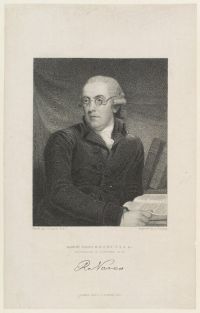
Robert Nares compiled glossaries to explain archaic language in Shakespeare's works, and John Henry Hessels traced its roots in medieval manuscripts, where annotations helped readers understand challenging texts. These diverse methods emphasize the glossary’s dual purpose: connecting specialized knowledge with accessibility, whether in historical research or contemporary digital dictionaries. Its development illustrates a lasting need to transform complexity into clarity across various fields.
 Alexander Whyte,
Samuel Rutherford and Some of His Correspondents
Alexander Whyte,
Samuel Rutherford and Some of His Correspondents