Hepatitis

Definition and stakes

Robert S. Henry,  Armed Forces Institute of Pathology… (1964)

“ Hepatitis, while it is exceedingly debilitating and distressing to its victims, is not a disease of high mortality, the death rate being less than three-tenths of 1 percent of hospitalized cases. In disablement and deadliness, hepatitis was not to be compared with yellow fever, but there was enough plausibility in the rumor that "yellow jack" had returned to the Army through the hypodermic syringe of the surgeon to make it damaging to morale. ”

Source: Wikisource

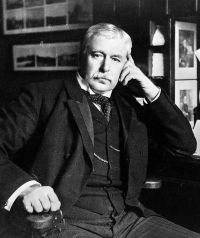
Portrait of William Black William Black,  A Comparative View of the Mortality of the Human Species…

“ Sometimes hepatick inflammation is entangled with that of some contiguous organs of the lungs or abdomen, and with their respective features. The acute hepatitis, but not the chronic, is usually terminated in a few days, at the utmost fourteen or twenty-one, by discussion, suppuration, or gangrene. Critical resolution may be variously accompanied with bilious diarrhœa and urine, nasal or hemorrhoidal hemorrhage, copious bilious sweats. Suppuration is not an unfrequent termination: after which many survive, but with difficult and slow recovery. ”
Source: Gutenberg

W. H. Harbaugh,  Special Report on Diseases of the Horse

“ HEPATITIS, OR INFLAMMATION OF THE LIVER.
This disease may be general or local, and may assume an acute or chronic form.
Symptoms.—The symptoms of acute hepatitis are: Dullness; the horse is suffering from some internal pain, but not of a severe type; constipated and clay-colored dung balls; scanty and high-colored urine; and general febrile symptoms. If lying down, he is mostly [Pg 88] found on the left side; looks occasionally toward the right side, which, upon close inspection, may be found to be slightly enlarged over the posterior ribs, where pain upon pressure is also evinced.
”
Source: Gutenberg

Get perspective with Kwize: daily news enlightened by great literature