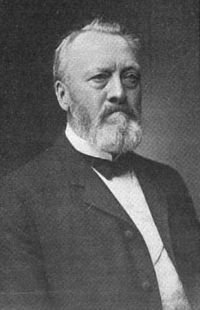
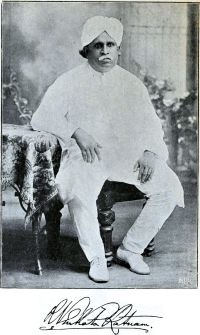
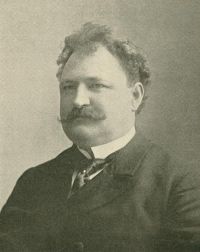
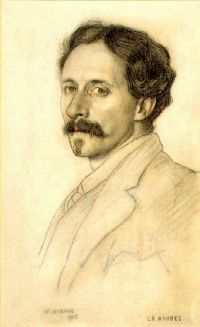
An interlude is a brief, instrumental musical piece that links larger movements within a composition, functioning as a transitional element. However, the term extends beyond music, appearing in literature and drama as a narrative or performative pause. Authors like Albion Fellows Bacon and Henry Norman Hudson examined it as a metaphor for liminal moments—between life and death, or as a satirical reflection of preceding events.
In medieval contexts, it referred to lighthearted or didactic performances inserted within larger works, as noted by E. K. Chambers and H. E. Marshall. These varied uses highlight the interlude’s role as a bridge between distinct elements, whether in sound, story, or stagecraft.
 Albion Fellows Bacon,
Songs Ysame
Albion Fellows Bacon,
Songs Ysame