A scenario, in computing, is a narrative that outlines predictable interactions between user roles and technical systems, serving as a tool for designing and evaluating software functionality. Authors like A. S. M. Hutchinson and George Edward Woodberry examined narrative structures and causality, emphasizing how situations influence human behavior—a concept reflected in scenarios’ role in modeling system behaviors.
John Dewey emphasized foresight and planning, aligning with scenarios’ use in anticipating user needs, while H. G. Wells’ reflections on the interaction of time highlight scenarios’ capacity to represent evolving systems. These viewpoints converge on scenarios as frameworks connecting abstract design with practical application, ensuring systems meet both functional objectives and human contexts.
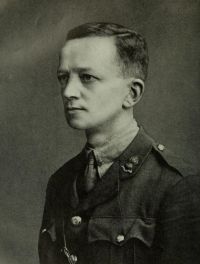 A. S. M. Hutchinson,
Once Aboard the Lugger-- The History of George and his Mary
A. S. M. Hutchinson,
Once Aboard the Lugger-- The History of George and his Mary