Value theory

Definition and stakes

Benjamin M. Anderson,  The Value of Money

“ The analysis of the factors controlling the value-scales is the problem of value theory. And here is, indeed, the central problem of the "theory of prosperity." What are the causes controlling the mutations of values? What factors cause values to rise, intensifying economic activity, stimulating trade, spreading prosperity? What brings about the crash in economic values (and consequently in prices) , in panics and crises? Why the low values of the period of depression, giving slight stimulus to industry and trade, leaving economic life lethargic, inert? ”
Source: Gutenberg

Benjamin M. Anderson,  The Value of Money

“ It is the belief of the present writer—not shared by all his critics!—that the definition of value which follows, and the conception of the function of value in economic theory involved in it, conform to the actual use of the term in the main body of economic literature. The theory of the causes of value here advanced is new, but the definition of value, and the conception of the relation of value to wealth, to price, to exchange, and to other economic ideas, seem to the present writer to conform to what is implied, and often expressed, in the general usage of economists. ”
Source: Gutenberg

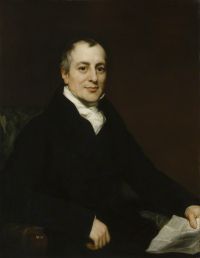
Portrait of John Stuart Mill John Stuart Mill,  Principles of Political Economy (1871)

“ In a state of society, however, in which the industrial system is entirely founded on purchase and sale, each individual, for the most part, living not on things in the production of which he himself bears a part, but on things obtained by a double exchange, a sale followed by a purchase—the question of Value is fundamental. Almost every speculation respecting the economical interests of a society thus constituted, implies some theory of Value: the smallest error on that subject infects with corresponding error all our other conclusions ”
Source: Wikisource

Get perspective with Kwize: daily news enlightened by great literature