Working time refers to the period individuals spend engaged in paid employment, governed by regulations concerning rest, holidays, and limits on working hours. From hunter-gatherer communities with little structured labor to the demanding schedules of the industrial age, its development mirrors broader economic and societal transformations.
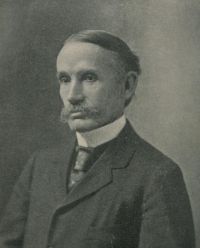
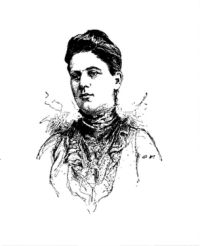
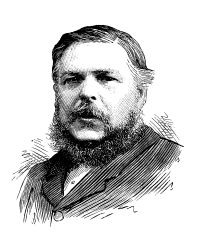
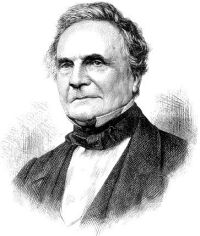
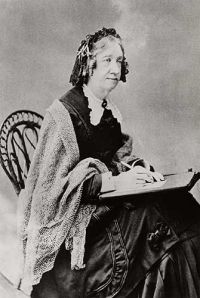
Thinkers such as Karl Marx emphasized the social aspects of labor and the importance of leisure, while Charles Dudley Warner contrasted the flexibility of hourly work with the strict requirements of traditional employment. Marguerite Dickson stressed the significance of set working hours in safeguarding personal time. Statistics indicate a worldwide trend of decreasing work hours paired with increased productivity, highlighting the relationship between regulation, technological advancement, and human welfare.
 Charles Dudley Warner,
My Summer in a Garden