Babylonian mythology

Definition and stakes

Percy S. P. Handcock,  Mesopotamian Archaeology

“ In the early days of Babylonian mythology, the gods themselves were believed to inhabit E-kur, the mountain-house of the world, and it is perhaps not unnatural to find the gods so intimately associated with mother-earth, when one recalls that the Babylonians believed the gods themselves to have been evolved from the same watery chaos from which the earth as it were emerged—the gods and the earth were children of the same parent, and were brought into being in the same way. ”

Source: Gutenberg

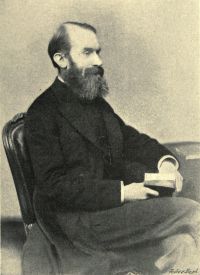
Portrait of A. H. Sayce A. H. Sayce,  The Religions of Ancient Egypt and Babylonia

“ Bel was no human king possessed of magical powers, who had once sat on the throne of Babylon; he remained the god who could, it is true, display himself at times to his faithful worshippers, but whose habitation was in the far-off heavens, from which he surveyed and regulated the actions of mankind. The gods of Babylonian mythology still belonged to heaven and not to earth, and its heroes are men and not humanised gods. ”
Source: Gutenberg

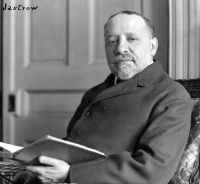
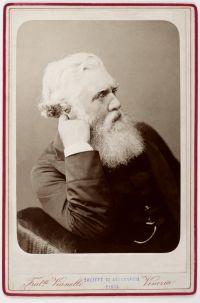
Portrait of Morris Jastrow Morris Jastrow,  The Religion of Babylonia and Assyria

“ Not many years ago the impression appeared to be well founded that the Semites were poor in the production of myths and legends as compared, for example, to the Hindus or Greeks. The religious literature of the Babylonians, originating undoubtedly with the Semitic inhabitants of the Euphrates Valley, reverses the impression. The 'creation' and 'Gilgamesh' epics suffice, not merely for what they contain, but for what they imply, to accord to Babylonian mythology a high rank ”
Source: Gutenberg

Get perspective with Kwize: daily news enlightened by great literature