Greek drama

Definition and stakes

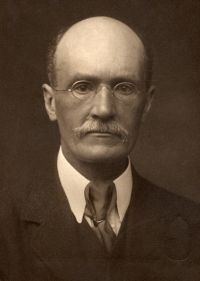
Portrait of T. G. Tucker T. G. Tucker,  The foreign debt of English literature (1907)

“ And be it noted that the Greek drama, whether tragic or comic, was literary. It bears to be read as much as to be acted; it is a work of conscientious art. In tragedy the writing is pure poetry. In comedy it is humour and wit, biting, sparkling, often coarse and very personal, but always full of life. There was some defence for personality. Comedy, like tragedy, served to give various lessons to the Athenians. Greece possessed no newspapers, and in their place the comic stage served even more than now to criticize fads, to chastise political and private misdoings. ”
Source: Gutenberg

Bernard Beckerman,  Shakespeare at the Globe, 1599-1609

“ In this Aristotle describes the actual practice of ancient Greek drama. The incidents embrace the total significance of a play, for if plot, the structure of incidents, imitates the action which is the soul of tragedy, it must also contain the meaning of that action. Through plot the meaning radiates into character and language. Such a pyramid of emphasis, in which certain dramatic elements are subordinated, ensures genuine unity of action. If Greek drama did not always realize such an ideal form, it aspired toward such a realization. ”
Source: Gutenberg

Marcius Willson,  Mosaics of Grecian History

“ He therefore flourished at the time when the freedom of Greece, rescued from foreign enemies, was exulting in its first strength; and his writings are characteristic of the boldness and vigor of the age. In his works we find the fundamental idea of the Greek drama—retributive justice. The sterner passions alone are appealed to, and the language is replete with bold metaphor and gigantic hyperbole. Venus and her inspirations are excluded; the charms of love are unknown: but the gods—vast, majestic, in shadowy outline, and in the awful sublimity of power-pass before and awe the beholder. ”
Source: Gutenberg

Get perspective with Kwize: daily news enlightened by great literature