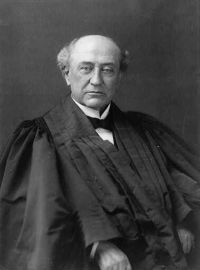
The concept of a bona fide purchaser (BFP) refers to a legal principle in common law systems, where an individual acquires property without awareness of competing claims, paying a legitimate price. This doctrine protects buyers who act in good faith, ensuring they obtain legal title even if the seller's ownership was fraudulent. In England and Wales, BFPs are protected from equitable claims as long as they perform reasonable due diligence, while U.S.
patent law enshrines comparable safeguards. Legal experts and court decisions, such as those by Field, Brewer, and Harlan, highlight the importance of consideration, absence of knowledge, and the boundaries of protection, emphasizing the balance between securing transactions and maintaining ownership rights. The integration of these viewpoints shows that the BFP principle favors transactional certainty while retaining remedies for fraudulent transfers.
 Stephen Johnson Field,
Merchants' Exch Nat Bank of the City of New York v…
Stephen Johnson Field,
Merchants' Exch Nat Bank of the City of New York v…