Motor skill

Definition and stakes

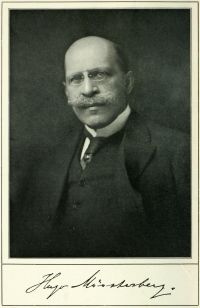
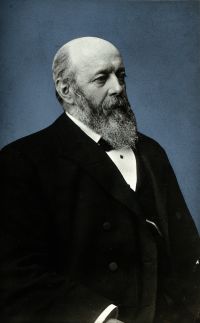
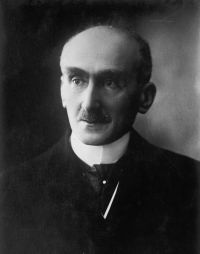
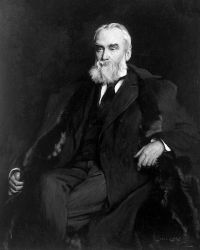
Portrait of G. Stanley Hall G. Stanley Hall,  Youth: Its Education, Regimen, and Hygiene

“ The motor areas are closely related and largely identical with the psychic, and muscle culture develops brain-centers as nothing else yet demonstrably does. Muscles are the vehicles of habituation, imitation, obedience, character, and even of manners and customs. For the young, motor education is cardinal, and is now coming to due recognition; and, for all, education is incomplete without a motor side. Skill, endurance, and perseverance may almost be called muscular virtues; and fatigue, velleity, caprice, ennui, restlessness, lack of control and poise, muscular faults. ”
Source: Gutenberg

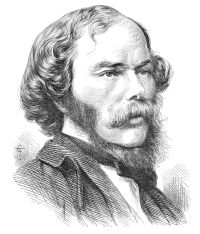
George Herbert Betts,  The Mind and Its Education

“ Necessity for Motor Activity.—Likewise in the case of the motor areas. Pity the boy or girl who has been deprived of the opportunity to use every muscle to the fullest extent in the unrestricted plays and games of childhood. For where such activities are not wide in their scope, there some areas of the cortex will remain undeveloped, because unused, and the person will be handicapped later in his life from lack of skill in the activities depending on these centers. ”
Source: Gutenberg

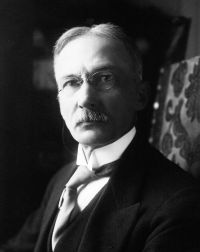
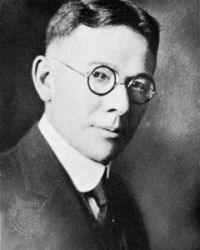
Portrait of Lewis M. Terman Lewis M. Terman,  The measurement of intelligence

“ The following are probably the chief factors determining success with this test: (1) Interest in common objective things; (2) ability to form permanent associative connections between successive motor coördinations (memory for a series of acts) ; and (3) skill in the acquisition of voluntary motor control. The last factor is probably much less important than the other two. Motor awkwardness often prolongs the time from the usual ten or fifteen seconds to thirty or forty seconds, but it is rarely a cause of a failure. ”
Source: Gutenberg

Get perspective with Kwize: daily news enlightened by great literature