Transposition

Definition and stakes

Portrait of George Santayana George Santayana,  Reason in Common Sense (1920, 1905)

“ In this case we may distinguish two stages or degrees in the transposition: first, before we think of our own pulling, we say the object itself pulls; in the first transposition we say it pulls against us, its pull is the counterpart or rival of ours but it is still conceived in the same direct terms of effort; and in the second transposition this intermittent effort is made potential or slumbering in what we call strength or force. ”
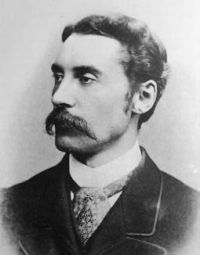
Source: Wikisource

Carleton B. Case,  Stories from the Trenches: Humorous and Lively Doings of Our 'Boys Over There'

“ If he has picked up a transposition fellow he proceeds to examine it geometrically, placing the letters so that they form all sorts of squares and rectangles that come under the heads of simple horizontals, simple verticals, alternate horizontals, alternate verticals, simple diagonals, alternate diagonals, spirals reading clockwise, and spirals reading counter-clockwise. Once one gets the arrangement of the letters, the reading is simple.
For instance, ILVGIOIAEITSRNMANHMNG comes along the wire. It doesn’t figure for a substitution cipher and you try the transposition plan.
”
Source: Gutenberg

Helen Gaines,  Elementary cryptanalysis (1939)

“ Concerning the characteristics of simple substitution, these have been seen throughout the text; we have normal frequencies attached to the wrong letters, and we have those numerous repetitions of various lengths, occurring at all kinds of intervals, which are never found in a transposition. Here, too, we may apply a group-test, based only on the relative frequencies of letters. ”
Source: Gutenberg

Get perspective with Kwize: daily news enlightened by great literature