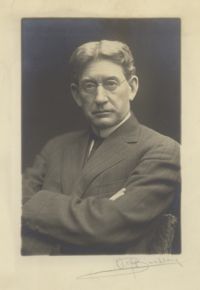
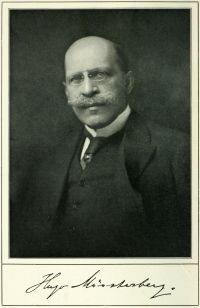
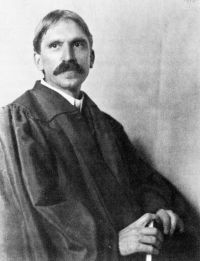
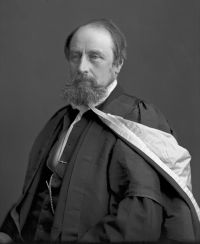
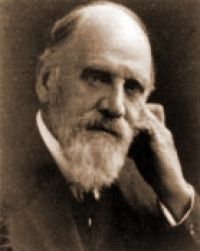
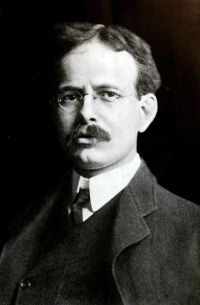
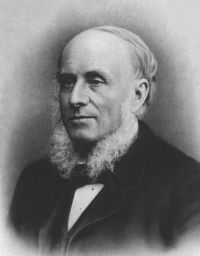
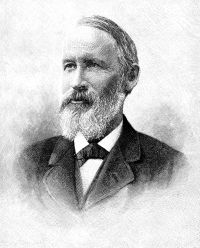
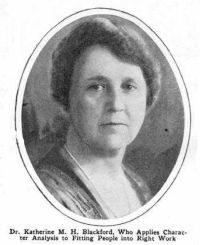
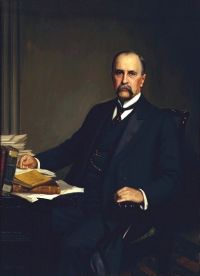
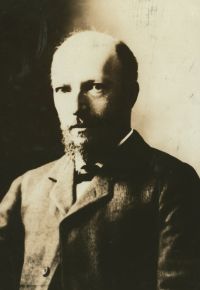
Applied science involves the use of scientific knowledge to achieve practical goals, in contrast to basic science, which focuses on theory. It encompasses fields such as engineering, medicine, and psychology, transforming empirical research into real-world solutions. Authors like Thomas Henry Huxley described it as conclusions drawn from pure science, while William E. Ritter stressed its importance in meeting human needs through proven principles.
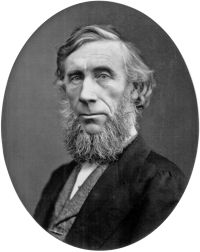
John Tyndall criticized the term, cautioning against equating practical applications with scientific investigation itself. George Gore pointed out its structured dependence on fundamental sciences, ranging from physics to biology. These viewpoints highlight applied science's dual function as both a link between theory and practice and a continually evolving field that influences technological and societal advancement.
 Thomas Henry Huxley,
Popular Science Monthly
(1881)
Thomas Henry Huxley,
Popular Science Monthly
(1881)