Specific performance, an equitable remedy in contract law, compels a party to carry out a contractual obligation, typically in cases involving unique assets such as real property. Unlike damages, it requires actual fulfillment rather than monetary compensation, though its use is discretionary and limited by factors such as the adequacy of damages or the nature of the agreement. While legal scholars debate its effectiveness, literary figures have long wrestled with the essence of performance itself—whether as a theatrical act, philosophical gesture, or artistic pursuit.
Authors like John Jay Chapman and Josiah Royce emphasized the elusive nature of performance’s meaning, while Ned Wayburn highlighted the unseen effort behind its success. These perspectives, though not legal, underscore the intrinsic value of fulfilling a commitment, mirroring the core principle of specific performance: ensuring that promises are not merely compensated but genuinely executed.
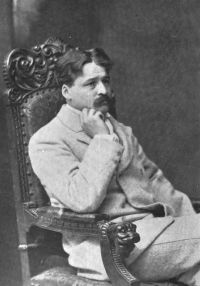 John Jay Chapman,
Learning and Other Essays
(1910)
John Jay Chapman,
Learning and Other Essays
(1910)