The Lyrical Ballads

Definition and stakes

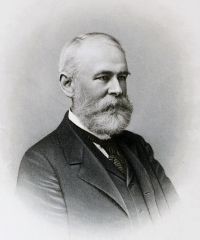
Portrait of W. P. Ker W. P. Ker,  Medieval English Literature

“ The beauty of the ballads is uncertain and often corrupted by forgetfulness and the ordinary accidents of popular tradition. It is not always true that the right subject has the best form. But the grace of the ballads is unmistakable; it is unlike anything in the contemporary romances, because it is lyrical poetry. It is often vague and intangible. It is never the same as narrative romance. ”
Source: Gutenberg

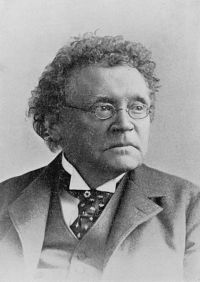
Portrait of Bliss Perry Bliss Perry,  A Study of Poetry

“ It is through the choral refrains, in fact, that the student of lyric poetry is chiefly fascinated as he reads the ballads. Students of epic and drama find them peculiarly suggestive in their handling of narrative and dramatic material, while to students of folklore and of primitive society they are inexhaustible treasures. The mingling of dance-motives and song-motives with the pure story-element may long remain obscure, but the popular ballad reinforces, perhaps more persuasively than any type of poetry, the conviction that the lyrical impulse is universal and inevitable. ”
Source: Gutenberg

The Oxford Book of Ballads

“ In claiming this singularity for the Ballad I do not seek to exalt it above any other lyrical form. Rather I am ready to admit, out of some experience in anthologizing, [Pg xvi] that when a ballad is set in a collection alongside the best of Herrick, Gray, Landor, Browning—to name four poets opposite as the poles and to say nothing of such masterwork as Spenser’s Epithalamion or Milton’s Lycidas—it is the ballad that not only suffers by the apposition but suffers to a surprising degree ”
Source: Gutenberg

Get perspective with Kwize: daily news enlightened by great literature