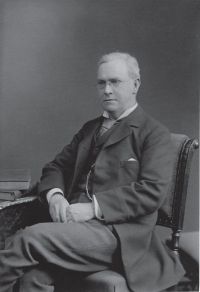
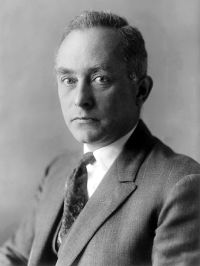
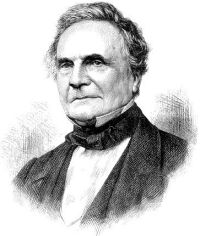
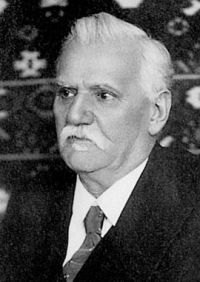
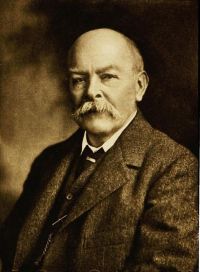
Angular velocity, a pseudovector measuring the rate of change of angular position, describes how objects rotate about an axis, with its magnitude reflecting rotational speed and direction determined by the axis through the right-hand rule. Scholars such as Horace Lamb examined its constancy in mechanical systems, while Max Born investigated its relativistic aspects, and practical resources like Modern Machine-Shop Practice connected it to gear behavior.
The concept links orbital motion, rigid-body rotation, and centrifugal force, highlighting its essential role in mechanics and engineering. Its relationship with angular momentum and torque emphasizes its importance in comprehending rotational dynamics.