Brilliants

Definition and stakes

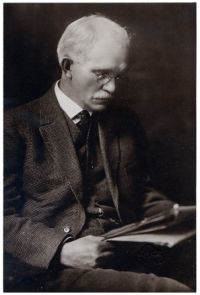
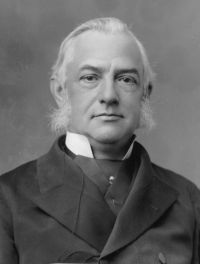
Portrait of John Mawe John Mawe,  A Treatise on Diamonds, and Precious Stones (1823)

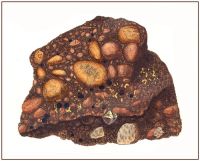
“ I received a large fragment of diamond, weighing above 12 carats: one end was foul and full of flaws; I split it off, and discovered the foul was owing to a triangular hole, the sides of which were covered with black earth.
Yellow brilliants, if fine, are generally extremely lively, and suit the purposes of the jeweller in composing fancy articles. When of from one to two grains, they are usually from four to five pounds per carat; being inferior in value to the pure gem.
”
Source: Wikisource

Portrait of John Mawe John Mawe,  A Treatise on Diamonds, and Precious Stones (1823)

“ This example may serve to shew, that it is not merely because the substance is a diamond that it commands a high price; but because, as a diamond, it must have all the qualities that art can bestow, and be faultless.
There is an extensive traffic in these precious substances, exclusive of the regular trade between the jeweller and the merchant. A person possessing a suit of brilliants may be inclined to part with them from necessity, or other causes. This occurs so frequently, that diamonds to a great amount are continually disposed of in a private way.
”
Source: Wikisource

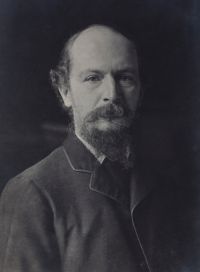
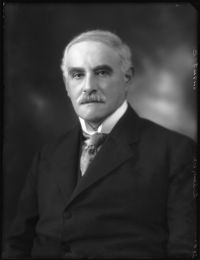
Portrait of Sir Sidney Lee Sir Sidney Lee,  The Praise of Shakespeare: An English Anthology

“ In how many branches of excellence to consider and admire him! Whether we view him on the side of art or nature, he ought equally to engage our attention; whether we respect the force and greatness of his genius, the extent of his knowledge and reading, the power and address with which he throws out and applies either nature or learning, there is ample scope both for our wonder and pleasure. If his diction and the clothing of his thoughts attract us, how much more must we be charmed with the richness and variety of his images and ideas! ”
Source: Gutenberg

Get perspective with Kwize: daily news enlightened by great literature