Current density

Definition and stakes

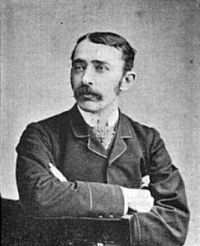
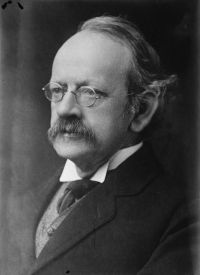
Portrait of Joseph John Thomson Joseph John Thomson,  1911 Encyclopædia Britannica, Volume 27… (1911)

“ When the current is small the glow next the cathode does not cover the whole of the surface, and when this occurs an increase in the current causes the glow to cover a greater area, but does not increase the current density nor the cathode fall. When the current is so much increased that the glow covers the whole of the cathode an increase in current must result in an increase of the current density over the cathode, and this is accomplished by a rapid increase in the cathode fall of potential. ”
Source: Wikisource

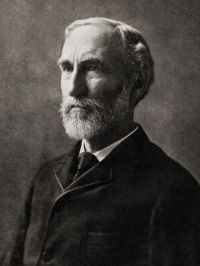
Portrait of James Clerk Maxwell James Clerk Maxwell,  A Treatise on Electricity and Magnetism (1873)

“ When the density of the deposit is very small, T is very large, and may be reckoned by days or months. When the density of the deposit approaches its limiting value T diminishes very rapidly, and is probably a minute fraction of a second. In fact, the rate of dissipation increases so rapidly that when the strength of the current is maintained constant, the separated gas, instead of contributing to increase the density of the deposit, escapes in bubbles as fast as it is formed. ”
Source: Wikisource

Various,  Scientific American Supplement…

“ When a large current density is used, there is considerable decomposition of the iron electrodes when either salt or pure water is used, and in the case of horizontal electrodes, the under surface of the top plate may become covered with bubbles of gas, making the resistance between the plates quite variable. For large current density a horizontal top plate is not advisable, unless a large number of holes are drilled through it. ”
Source: Gutenberg

Get perspective with Kwize: daily news enlightened by great literature