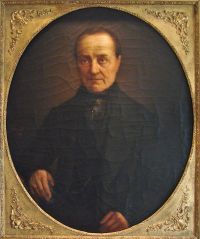
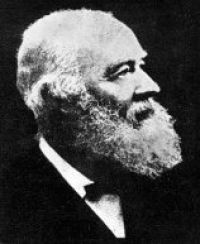
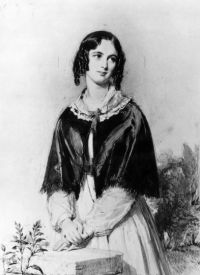
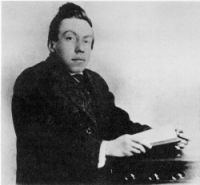
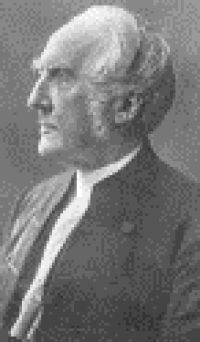
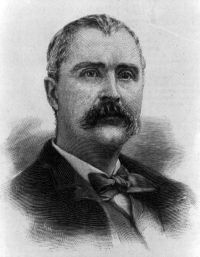
Everyday life, as a literary concept, explores the routine and unremarkable aspects of human existence, often uncovering deeper existential or social insights. Authors such as Maurice Baring and Cecil B. Hartley have delved into this theme by emphasizing the quiet importance of commonplace experiences, ranging from the rhythms of daily work to the nuanced exchanges that mold human character.
While Baring focuses on the reflective moments within ordinary existence, Hartley highlights the collective influence of seemingly small societal behaviors. Likewise, Fredrika Bremer and Maria Edgeworth contemplate the conflict between routine duties and personal ambitions, portraying everyday life as a setting for moral and spiritual growth. These diverse perspectives together demonstrate how literature turns the commonplace into a framework for examining humanity's persistent challenges and hopes.
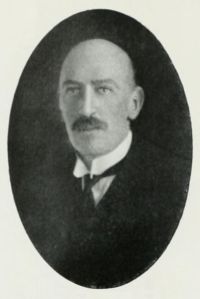 Maurice Baring,
Landmarks in Russian literature
(1910)
Maurice Baring,
Landmarks in Russian literature
(1910)