A first principle is a foundational proposition or cause from which all else in a domain is derived, acting as an indubitable starting point in philosophy, science, and theology. In ancient Greek thought, it was termed arche, reflecting origins such as water (Thales) or the apeiron (Anaximander). Philosophers such as Aristotle highlighted its role in systematic inquiry, while Descartes pursued self-evident axioms through doubt.
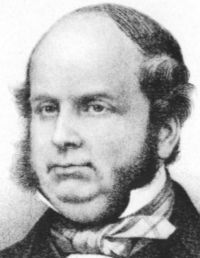
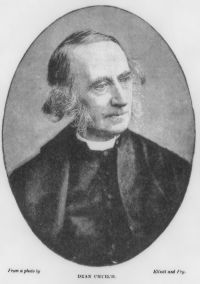
In theology, it identifies God as the ultimate cause, as in Genesis. Authors like Bertrand Russell examined its role in generalizing knowledge, John Stuart Mill connected it to moral obligation, and R.W. Church emphasized its importance for certainty. These varied perspectives demonstrate the first principle as a cornerstone for organizing understanding across disciplines.
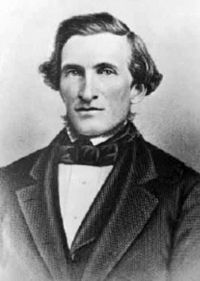 Jedediah M. Grant,
Journal of Discourses — Volume 2…
Jedediah M. Grant,
Journal of Discourses — Volume 2…