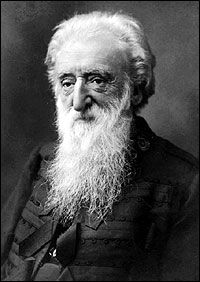
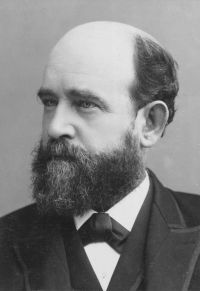
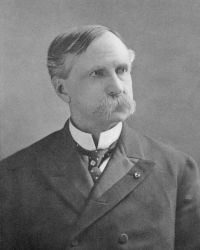
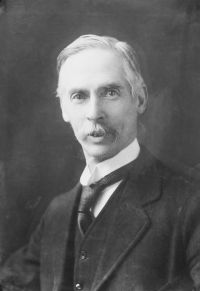
Labour power, a cornerstone of Marx’s critique of capitalism, denotes the capacity to work, distinct from the act of working itself. Marx analyzed it as a commodity under capitalism, where workers sell their ability to work for wages, enabling capitalists to extract surplus value. This concept, refined from classical economists like Smith and Ricardo, underscores how capitalism transforms human capability into an economic input.
Authors such as W. Lyon Blease highlighted industrialization’s impact on worker autonomy, while Alexander Irvine emphasized the role of labor unions in advocating for workers’ rights. Marx’s insight—that the value of labour power hinges on reproducing the worker’s ability to work—reveals the systemic exploitation inherent in capitalist production.
 Karl Marx,
Das Kapital
(1906)
Karl Marx,
Das Kapital
(1906)