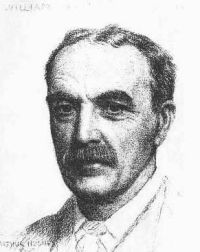
Pretense, the act of feigning or concealing reality, has long fascinated literary and philosophical discussions. From Christopher Morley’s perspective of pretense as a survival strategy to Samuel Johnson’s claim that good intentions can overshadow mistakes, writers have examined its ethical and psychological aspects.
Jean-Baptiste Massillon denounced it as a cover for wrongdoing, while Jacob Merlo Horstius connected it to the role of prudence in avoiding harm. Whether functioning as a social instrument, a spiritual weight, or a trigger for introspection, pretense exposes the intricate relationship between truth and illusion, as illustrated by the diverse viewpoints of authors ranging from Shakespeare to Plutarch.
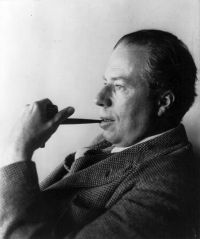 Christopher Morley,
Religio Journalistici
Christopher Morley,
Religio Journalistici