Musical imitation

Definition and stakes

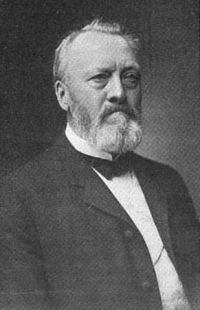
W. J. Baltzell,  A Complete History of Music

“ The Value of Imitation.—We must understand, however, that mere Imitation is in itself not a remarkable phenomenon. We imitate, more or [Pg 110] less unconsciously, in all arts, and even in our daily habits; but this would be of no lasting importance did we not take that imitation as a foundation for future development, as did the composers of this school. And in these polyphonic schools the imitation was unintentional, as a definite aid to the structure of a musical idea, until it was seen that the imitation must be confined to one definite idea or melody. ”
Source: Gutenberg

Portrait of John Ruskin John Ruskin,  The Crown of Wild Olive

“ We have next a musical art, falling into two distinct divisions—one using colours, the other masses, for its elements of composition; lastly, we have an imitative art, concerned with the representation of the outward appearances of things. And, for many reasons, I think it best to begin with imitative Sculpture; that being defined as the art which, by the musical disposition of masses, imitates anything of which the imitation is justly pleasant to us ”
Source: Gutenberg

Get perspective with Kwize: daily news enlightened by great literature