Herbarium

Définition et enjeux

Joseph-Philippe-François Deleuze,  History and description of the Royal Museum of natural history… (1823)

“ The botanical garden has been augmented one-third; those of agriculture, fruit-trees, and economical plants, and several parterres, have been formed; the grounds have been more richly adorned with shrubs and flowers, and the menagerie has been planted with trees yielding seed for the propagation of useful species: the extent of the culture is as 9 to I.
Of the collections, that of living plants has been doubled; that in the herbarium is six times as great; and that of fruits and other productions of the vegetable kingdom has increased in the same
proportion.
”
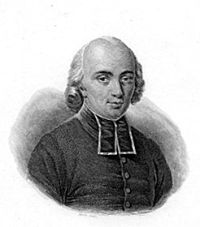
Source : Gallica

Joseph-Philippe-François Deleuze,  History and description of the Royal Museum of natural history… (1823)

“ Aided by the lessons of the professor they learn to analyze the organs and distinguish the characters jof plants, and thus to recognise in the herbarium those which are not cultivated in the garden: neither dried specimens, nor figures however perfect, can supply the place of living nature.
There probably exist elsewhere collections of plants as numerous as that of the Museum,
but there can no where be found an equal assemblage disposed in the order of their natural affinities, and consisting of the vegetables of every climate which it is possible to raise from the seed in Europe.
”
Source : Gallica

Charles Martins,  Les Jardins botaniques de l’Angleterre comparés à ceux de la France

“ Dans les grands établissemens, des espaces étendus sont consacrés aux arbres forestiers indigènes et exotiques, aux végétaux utiles, — plantes agricoles, médicinales, industrielles, alimentaires ou ornementales. Un herbier et des collections sont le complément obligé d’un grand jardin botanique. L’herbier reçoit les échantillons des végétaux à mesure qu’ils fleurissent et fructifient dans le jardin. Si la plante disparaît, l’échantillon reste, et le botaniste peut encore analyser sur le sec la plupart des organes essentiels qui servent à caractériser et à classer une espèce. ”
Source : Wikisource

Chaque jour avec Kwize, l'actualité mise en perspective par la littérature